The fourth UN Conference on Financing for Development (FfD4) will take place in Seville from 30 June to 3 July - with the aim of generating more money for climate and development and making the global financial system fairer. The pre-negotiated final document ("Compromiso de Sevilla") is to be adopted there. States from the Global South are entering the negotiations with great ambitions and high expectations, but the expected outcome falls far short of the urgently needed reform steps. Numerous civil society organisations are gathering in Seville to exert pressure on those in power.
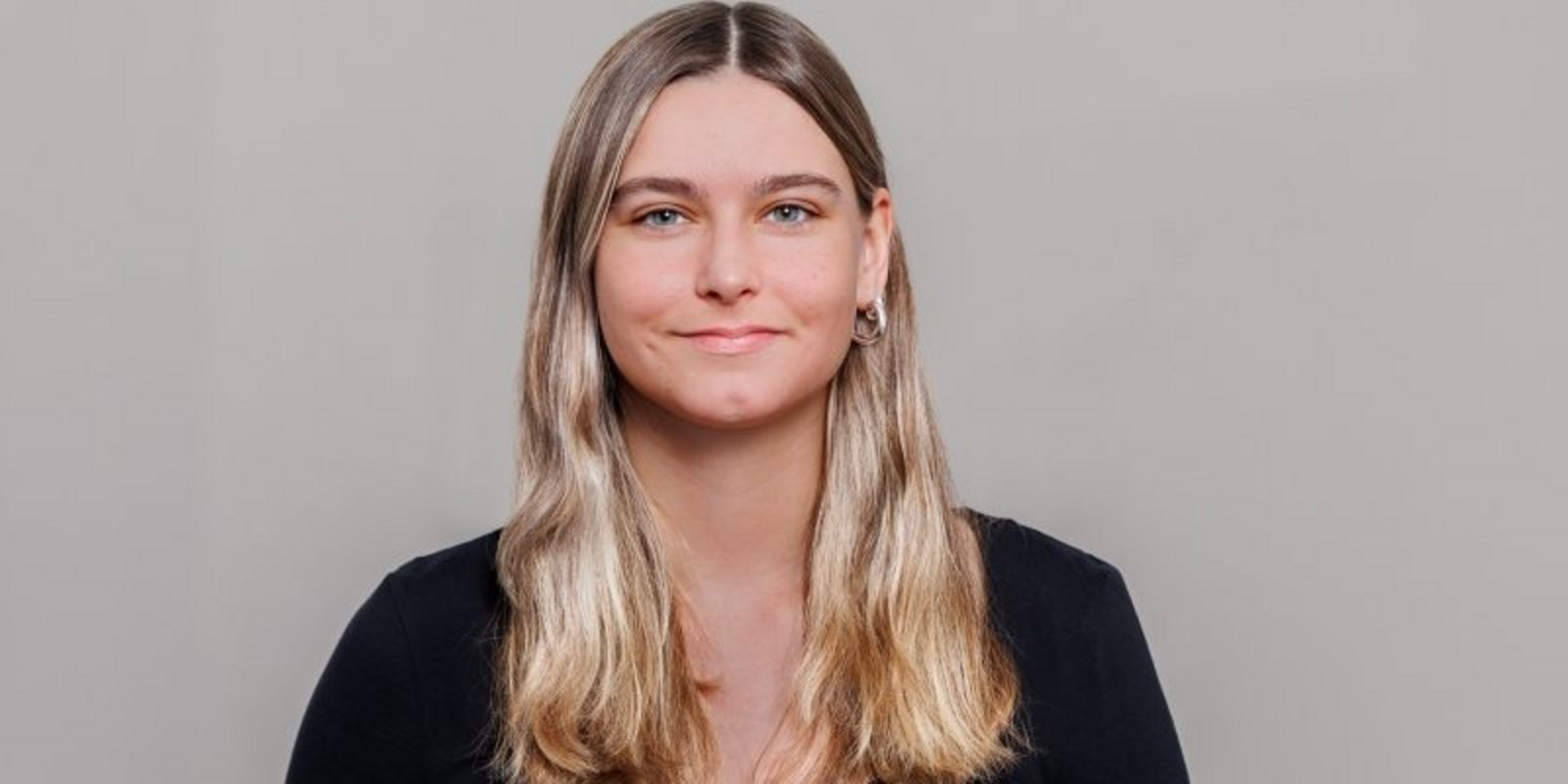
"The world needs more than fine words - in order to improve people's material living conditions, we need to turn the financial system upside down and distribute wealth from the top to the bottom," says Malina Stutz, policy officer at the German debt relief alliance erlassjahr.de.
"47 countries around the world have very high levels of debt. There is a lack of funds for investments in sustainable development and climate protection, education and health. In these countries, around 231 million people are affected by extreme poverty - twice as many as the global average. A real indictment of poverty in the 21st century. The FfD4 conference must urgently find multilateral solutions to overcome this crisis," says Klaus Schilder, development finance expert at Misereor.
Contacts on the ground in Seville
Malina Stutz, erlassjahr.de
Email m.stutz@erlassjahr.de
Mobile +49 211 46 93 217 (will be automatically redirected to mobile)
Klaus Schilder, Misereor
Email klaus.schilder@misereor.de
Mobile +49 170 2083559
The international campaign "Cancellation Year 2025 - Turn Debt into Hope" aims to increase the pressure on political decision-makers to find quick and binding solutions to the global debt crisis this year. Signatures are to be collected worldwide by the beginning of 2026. In Germany, the campaign is being coordinated by the Catholic aid organisation Misereor and the German debt relief alliance erlassjahr.de. 58 development organisations, church groups and institutions have already signed up to the appeal. Over the course of the year, there will be a variety of campaigns and participatory elements. The "Erlassjahr2000" campaign successfully campaigned for debt cancellation back in the late 1990s.