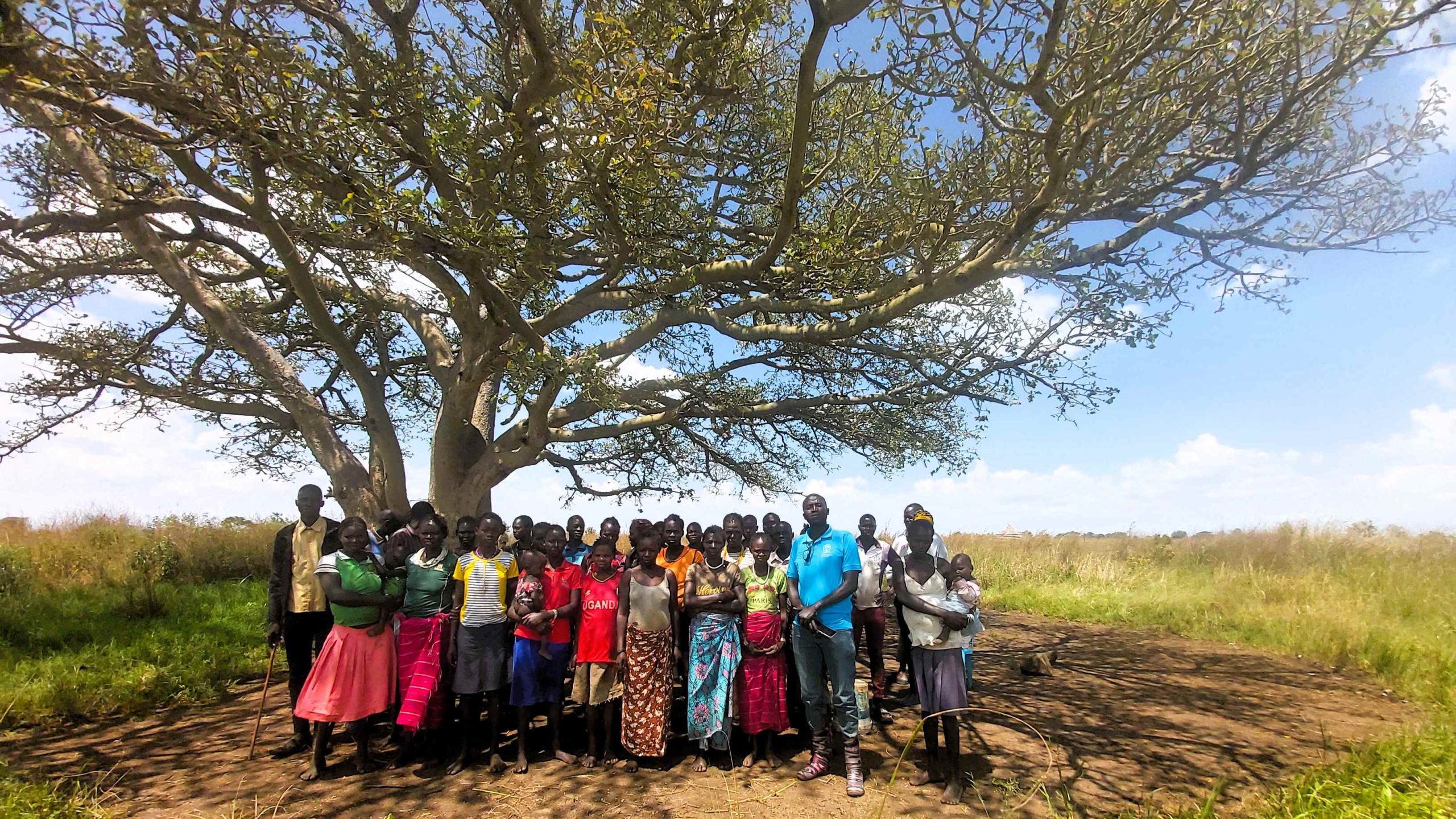
„A life in dignity is so much more than just not having to go hungry.“
Even those who take in enough calories are often far from having the right to adequate nutrition.
People living in poverty in particular are forced to eat an inadequate and unhealthy diet. The consequences are physical suffering, but also the inability to participate fully in social and economic life.
Children who are denied access to a healthy diet often suffer from the consequences of delayed physical and mental development for the rest of their lives.
But even in adults, malnutrition contributes massively to illness and premature death.
In 2017 alone, it is estimated that 11 million people worldwide died as a result of an unhealthy diet.
Food does not reach the people needing it the most
People around the world are working to solve this problem. And it's not just about producing more healthy food. But the food is not getting to where it is needed. In addition to conflicts and disasters, extreme poverty prevents many people from having enough and healthy food.
Even where people can buy good food, it is difficult for them to choose healthy options. Nutrient-poor but energy-rich products are omnipresent, convenient and marketed with huge advertising budgets. Products such as fresh fruit and vegetables are often relatively more expensive and the markets are difficult to reach. In addition to helping to improve production and access to healthy food, educational work and campaigning for better laws are therefore crucial for many of our partners to ensure that good food is available to everyone.
Climate and biodiversity crisis threaten food security
The climate and biodiversity crisis is already jeopardising our ability to feed ourselves healthily. Droughts and heavy rainfall are harming plants and animals. At the same time, the production, processing and marketing of food is contributing massively to the destruction of our livelihoods. This does not have to be the case. Together with food producers and consumers, our partners develop and disseminate suitable solutions to jointly meet the needs of people and realise the protection of livelihoods.
Health risks due to pesticide use
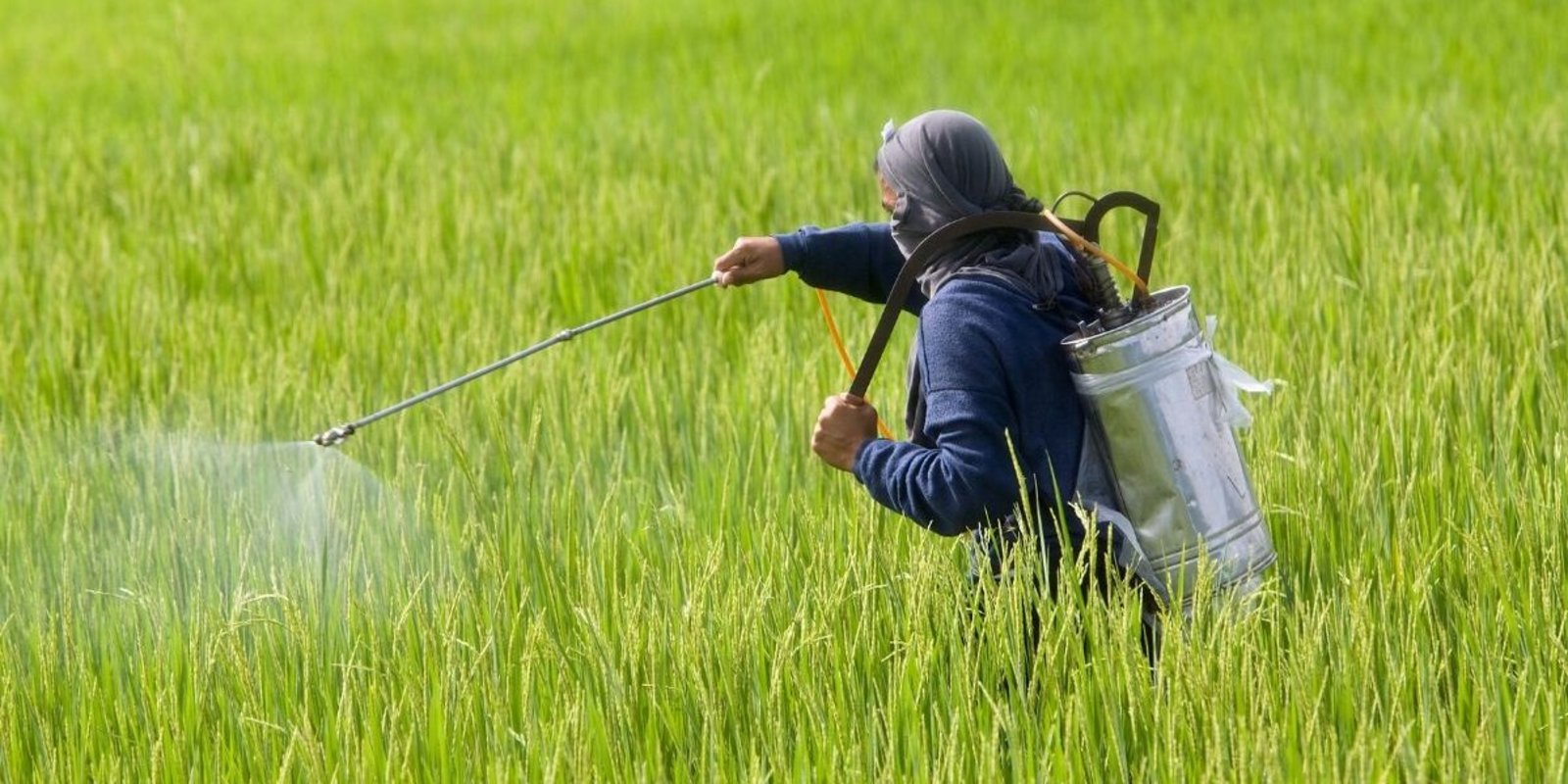
One example of this work is dealing with the use of toxic pesticides. These are not only harmful to the environment, but also to the health of the people who are often exposed to them without protection. People in economically poorer countries are particularly affected. Many steps must be taken together to solve this problem. These include promoting effective alternatives, informing about the risks of chemicals and campaigning for better laws. The work in the global South and North goes hand in hand, as many of the pesticides come from Germany and the food produced with them is imported to us.


Study 2026 – Poverty Gap: World Food Security
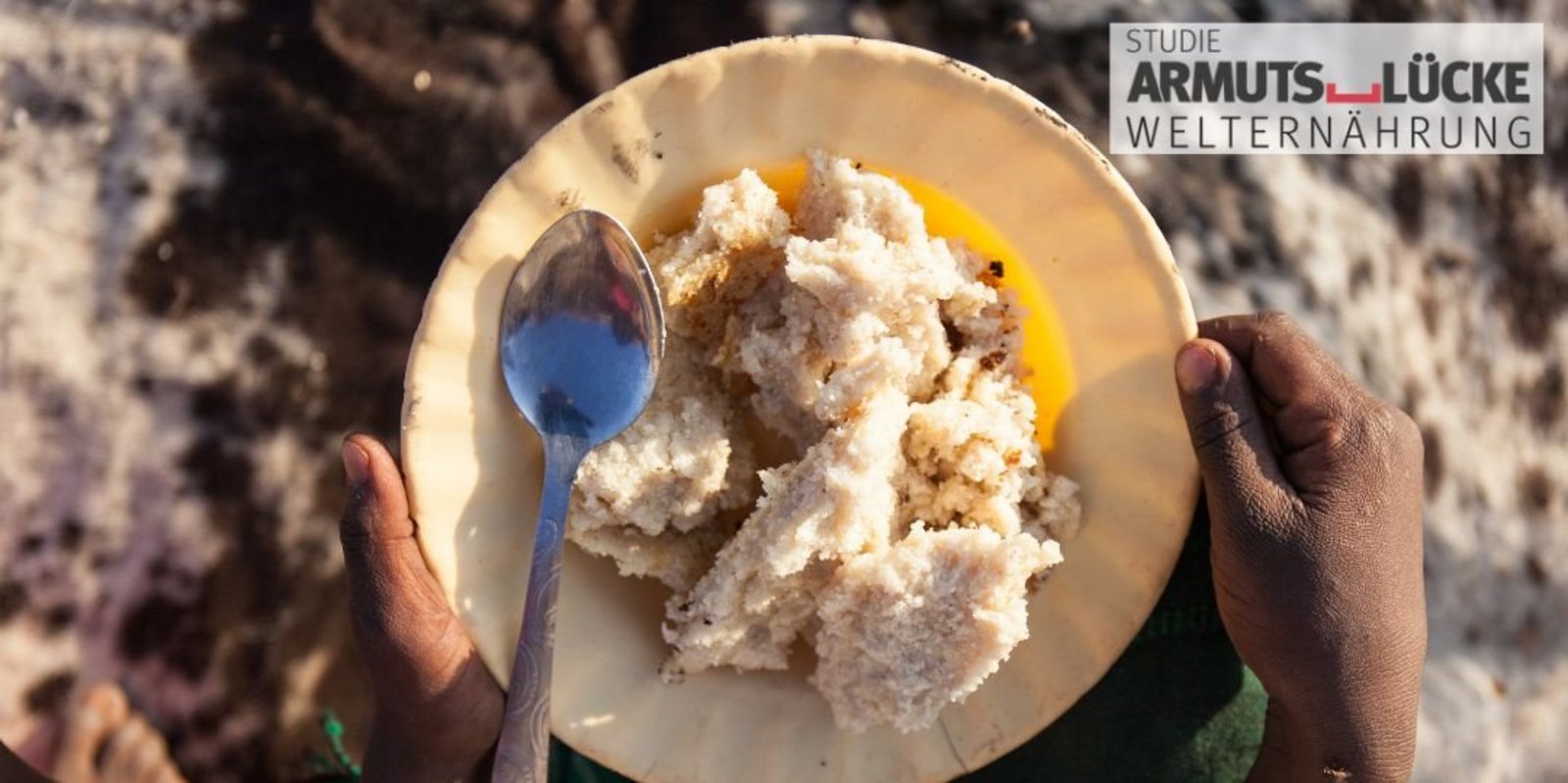
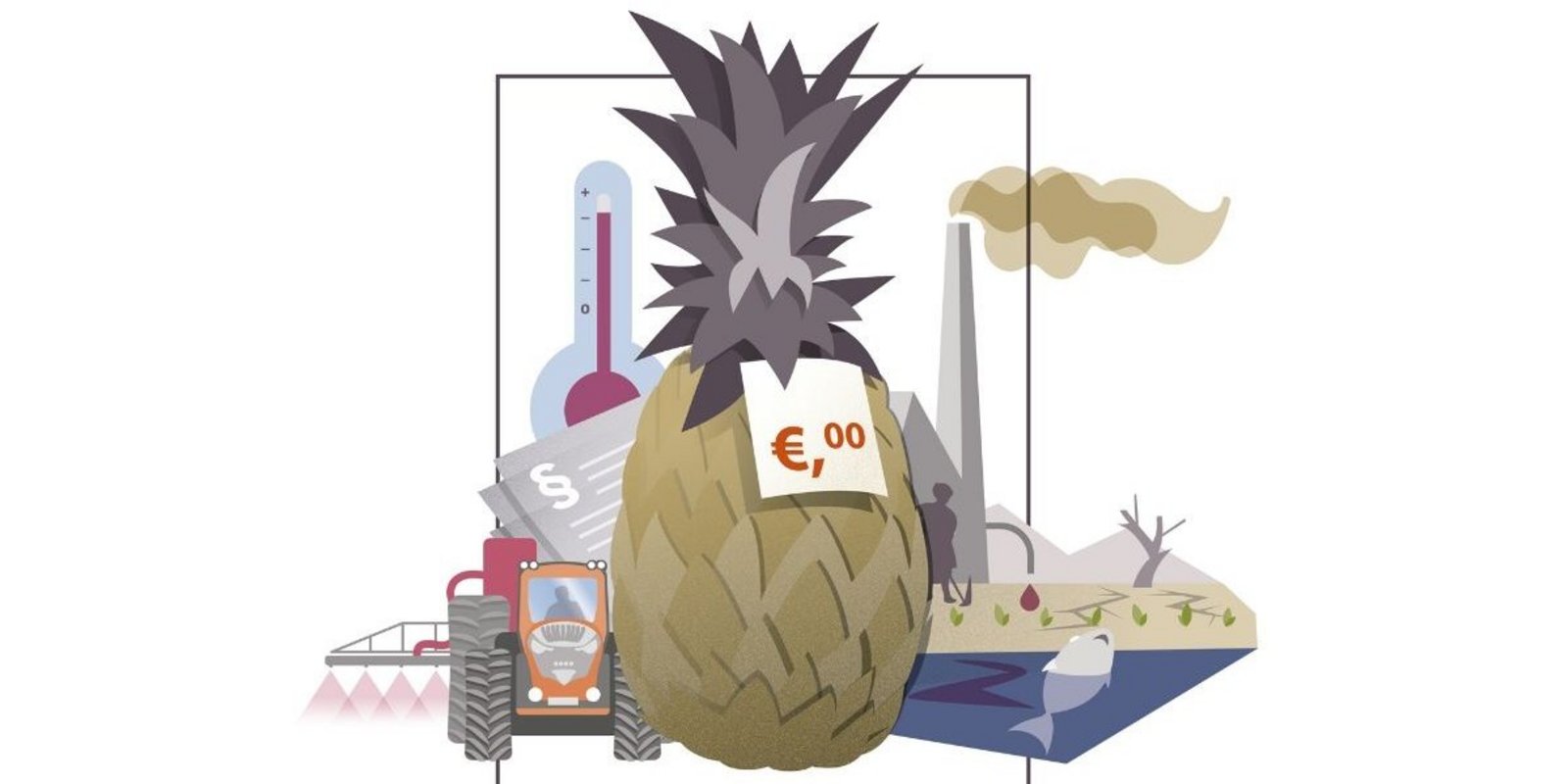
The “Global Food Poverty Gap” illustrates how much money people worldwide are lacking to afford the…
The “Global Food Poverty Gap” illustrates how much money people worldwide are lacking to afford the minimum requirements of a balanced diet, and the extent of the injustice. In 2025, this gap will amount to 2.79 trillion US dollars.
- Publisher: Misereor
- Project managers: Nina Brodbeck, Lutz Depenbusch, Johanna Entrup
- Number of pages: 20
- Year of publication: October 2026

We need shepherds!
How they work with farmers to preserve fertile landscapes
Shepherding communities worldwide face…
How they work with farmers to preserve fertile landscapes
Shepherding communities worldwide face existential threats from, amongst other things, mining, ‘green’ energy projects, monocultures and nature reserves. This dossier highlights the contributions shepherds make to food security, the economy, the environment and climate protection.
- Publisher: welt-sichten
- Year of publication: 2026
- Number of pages: 20

The booklet describes the scientific status of agroforestry and its benefits in terms of…
The booklet describes the scientific status of agroforestry and its benefits in terms of biodiversity, income and food security. It shows examples from Africa, Asia, Latin America and Germany of the implementation and effects and what consumers and politicians can do to provide further support.
-
Publisher: Misereor
-
Year of publication: 2024
-
Number of pages: 16