The long shadow of war
In 2023, a total of 216 violent political conflicts were fought worldwide, 21 of which were so large that they were even categorised as wars. The escalated situation in the Middle East and Ukraine in particular take centre stage in public attention. But there are also numerous violent conflicts in the world that are usually "forgotten" in our media. Wars and civil wars not only claim human lives through battles or bombings. They destroy roads, hospitals, schools and fields. People die because they can't get medicine or have surgery. They starve because the harvest fails and die of exhaustion. It takes decades to come to terms with experiences of violence, even after a war has ended. In these areas in particular, the likelihood of a recurrence is high.
Hunger is even deliberately used as a weapon in some conflicts, for example by denying humanitarian aid organisations access to entire regions. Conflicts are the main and preventable cause of global famine. More than half of the people living with hugner globally, amounting to 139.1 million in 2021, live in conflict countries.
Peace is more than the absence of war
When it comes to peacebuilding, the primary goal is to avoid violence. Conflicts are part of living together, and without conflicts there would be no change and development in a society. But the aim must be to resolve these conflicts without violence and in a manner that fairly balances the interests of all involved. Preventing violence is also necessary, as it generally requires far less effort than conflict resolution. Development cooperation and humanitarian aid projects contribute to this - because they are always implemented in a conflict-sensitive manner.
However, violence prevails wherever people are denied their human rights and a dignified life. This type of injustice can lead to open violent conflict if constructive conflict resolution mechanisms fail.
Sustainable peace therefore requires more than an end to violence. Equitable access to education, jobs, limited resources (such as land, water or natural resources) and political participation enables people to develop. This creates stable and peaceful societies. However, progress in these areas is jeopardised or reversed by violent conflicts.
Katharina Valjak
Peacebuilding and Conflict Transformation
- Telephone
- +49 241 442433
- katharina.valjak@misereor.de
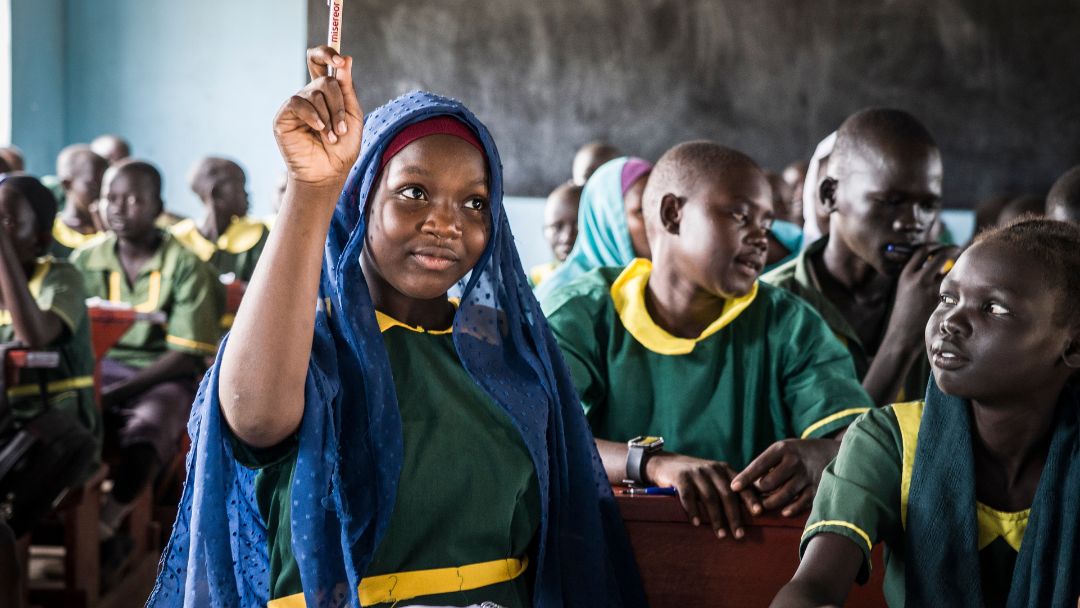


Report on Mental Health
A qualitative study on vulnerabilities, traumatisation and interventions in mental health and…
A qualitative study on vulnerabilities, traumatisation and interventions in mental health and psychosocial support in the Amhara, Oromiya and Tigray regions of Ethiopia with a special focus on faith-based organisations in English.
- Publisher: This qualitative study is the result of a participatory and collaborative effort by three German-based organisations: Bread for the World (Brot für die Welt), Caritas Germany and Misereor with their partner organisations (in alphabetical order): Daughters of Charity in Mekelle, Diocese of Adigrat, Ethiopian Catholic Secretariate, Ethiopian Evangelical Church Mekane Yesus - Development and Social Service Commission (EECMY-DASSC), Ethiopian Orthodox Tewahedo Church - Development and Inter-Church Aid Commission (EOTC-DICAC), St Mary's College Wukro; with support from Tium Debessay (Don Bosco Salesians).
- Publication date: August 2024
- Number of pages: 76

Peace work in the Middle East conflict
Despite decades of diplomatic efforts, there is still no peace in the Middle East. In view of the…
Despite decades of diplomatic efforts, there is still no peace in the Middle East. In view of the current war, a solution to the conflict and sustainable peace seem more distant than ever. Nevertheless, committed people in Misereor partner organisations on both sides continue to work towards understanding between Israelis and Palestinians.
- Publisher: Misereor
- Number of pages: 21
- Year of publication: October 2024

Statement by Bread for the World and Misereor on violations of international law in the Middle East
Bread for the World and Misereor call for compliance with international law and intensification of…
Bread for the World and Misereor call for compliance with international law and intensification of peace efforts in the Middle East:
- Publisher: Bread for the World, Misereor
- Year of publication 2024
Bread for the World and Misereor call for compliance with international law and intensification of peace efforts in the Middle East:
- Publisher: Bread for the World, Misereor
- Year of publication 2024


